“I have water damage in my place. Is it going to turn into mold?”
It’s one of the most common questions homeowners ask—and the answer is simple:
Yes… it absolutely can.
Under the right conditions, mold can begin growing within 24–48 hours after water damage occurs. In some cases, colonies can become visible in as little as 3 days. This is why the connection between water damage into mold is so important to understand. While mold doesn’t appear instantly, it develops quickly when moisture lingers.
How Water Damage Turns Into Mold
For water damage to turn into mold, three things must be present:
- Moisture
- A food source (such as drywall, wood, carpet, or insulation)
- The right temperature and humidity
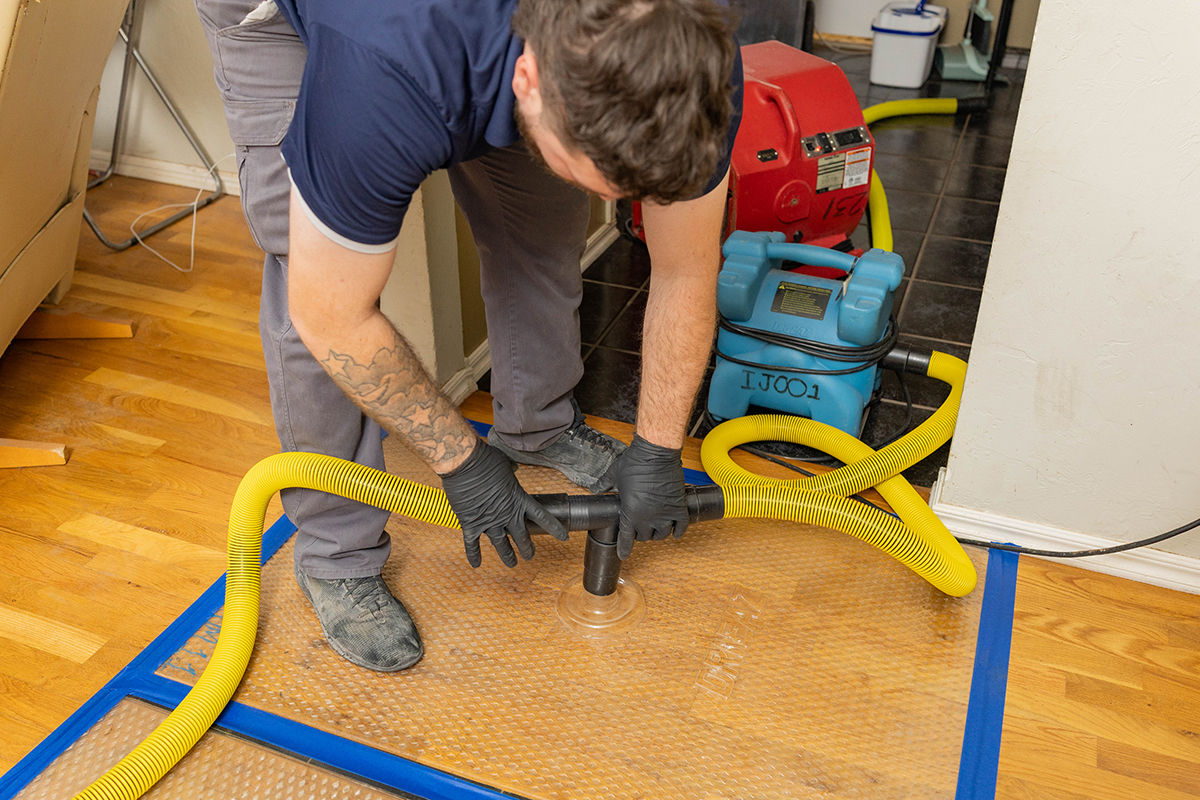
When these conditions align, mold begins to grow rapidly. That’s why the moment you notice water damage—whether from a leak, broken pipe, roof issue, or storm—you need to take action immediately.
Why Immediate Action Matters (Especially for Insurance Claims)
A major issue we see is homeowners waiting on insurance companies to respond before taking steps to stop the damage. While understandable, this often makes the problem worse.
When water-damaged materials sit wet:
- Mold has more time to grow
- The chance of the claim being denied increases
- What was once a small, simple water cleanup can escalate into a full mold remediation
Insurance companies expect homeowners to take reasonable steps to prevent further damage. If water damage is allowed to turn into mold because of delays, coverage becomes questionable.
Will Insurance Cover Mold If Water Damage Turns Into Mold?
Another common question we hear:
“If my water damage turns into mold, will insurance still cover the loss?”
The honest answer is: we don’t know.
Coverage depends entirely on your specific policy.
However, based on years of experience in Oklahoma, we can tell you this:
- Most policies do not automatically include mold coverage.
- Many carriers do not offer mold coverage at all.
- Even when mold coverage is available, homeowners often decline it to save money.
Because mold coverage is uncommon, it is even more critical to act fast when you first discover water damage—before mold has a chance to grow and complicate the claim.
Real-World Example: When Waiting Can Lead to Claim Denials
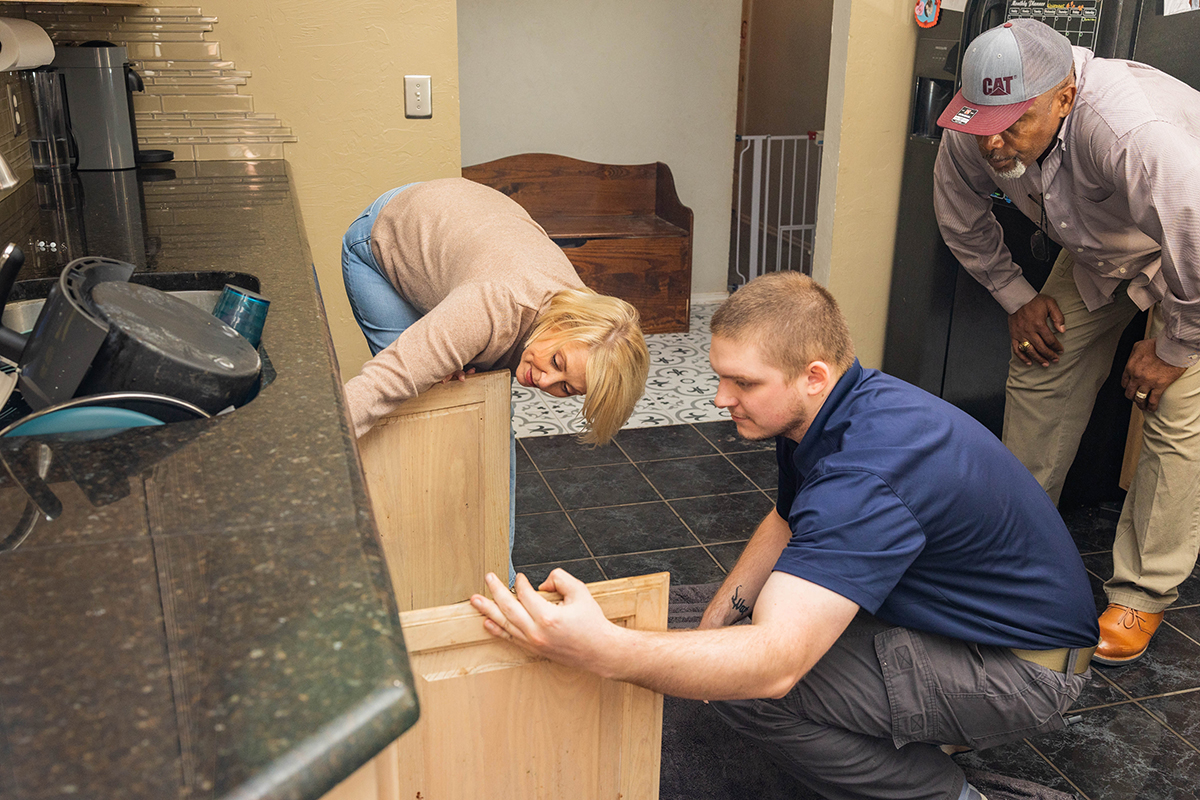
We’ve had several situations where we responded quickly to a water damage emergency, but the homeowner wanted to wait to hear from their insurance adjuster before authorizing work.
Unfortunately, when the insurance approval finally came, the water damage had already turned into mold. At that point, what was originally a standard water loss became a mold issue—and those homeowners ended up with denied claims due to failure to act promptly.
This is exactly why immediate mitigation is essential.
Time Is Never on Your Side With Water Damage
If there is one takeaway from this entire article, it’s this:
Time is never on your side.
When it comes to water damage turning into mold, every hour counts.
- Don’t wait for moisture to dry on its own.
- Don’t wait for mold to appear before acting.
- Don’t wait for insurance to make the first move.
Taking fast action can prevent mold growth, protect your property, and help preserve your insurance coverage.