One of the first questions we hear from customers—no matter the size of the water mitigation job—is:
“Can you give me an idea of how much this is going to cost?”
It’s a completely understandable question. When you’re dealing with water damage, stress is already high, and you want to know what to expect financially. The challenge is that water mitigation is one of the most unpredictable types of restorative work. While we can provide an estimate based on what’s visible, the true scope of the damage is often hidden beneath the surface.
Why Water Mitigation Costs Are Hard to Predict
Water has a way of traveling into places you can’t see:
- Under flooring
- Behind walls
- Beneath or behind cabinets
- Inside insulation
- Into subfloors, crawlspaces, or framing
Because of this, we often don’t know the full extent of the damage until demolition begins. What looks like a small affected area on day one may reveal compromised materials once they’re opened up. That hidden damage can significantly impact the final cost of a water mitigation job.
We can estimate what we see—but if demo is needed and additional damage is uncovered during the initial demo, that estimate will inevitably change.
Why Ranged Estimates Can Be Misleading
Sometimes customers request a “best-case vs. worst-case” estimate. While we can provide that, it often creates unrealistic expectations. For example, if we give a range of $3,000–$7,000, most people naturally anchor to the lowest number—even if we make it clear that the final cost could be higher. Then, when the job ends at $4,500, we risk the customer feeling frustrated even though the price is below the high end of the range.
For transparency and accuracy, we prefer to provide estimates based on what is known at the start and update customers as soon as new findings emerge.
What Do Water Mitigation Jobs Typically Cost?
While every situation is different, here’s a general idea of the lowest-cost scenarios:
Basic Drying Job, in Oklahoma, for a Single Family Home (No Demo Required)
- Typical Cost: $3,000–$4,000
- Duration: 3 days (minimum)
- Includes:
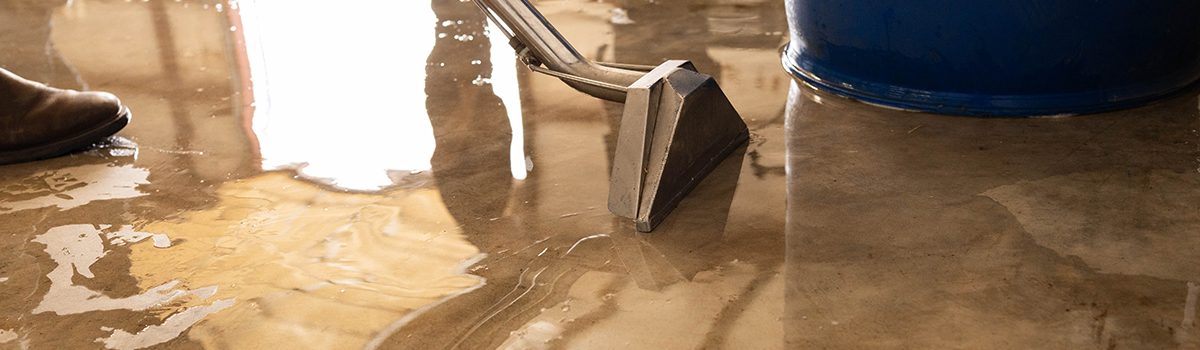
- Equipment setup (air movers, dehumidifiers, etc.)
- Moisture monitoring
- Possible water extraction
- Variables:
- How much equipment is needed
- Type of material being dried
- Amount of water extracted
These are the simplest projects because no demolition is required and the damage is minimal.
How Category of Water Affects Cost of a Water Mitigation Jon
Not all water is treated equally.
- Category 1 (Clean water): Least expensive, safest to dry.
- Category 2 (Gray water): Requires more containment, cleaning, and sometimes demo.
- Category 3 (Black water): Most expensive due to contamination, required demolition, and specialized cleaning.
An identical-looking job will cost significantly more if the water is contaminated.
Every Job Is Different
This industry does not have a one-size-fits-all pricing model. Materials vary, home layouts vary, and every water loss has its own unique fingerprint. So that means the water mitigation job has its own unique drying plan.
Costs depend on:
- The amount of demolition required
- How far water has traveled
- Equipment runtime
- Type and category of water
- Structural materials involved
- Accessibility of the affected areas
Because of these factors, two homes with the exact same leak can have completely different final invoices.
So… Can We Give an Exact Number?
Not at the start. And any company that promises a fixed price before beginning mitigation work is either guessing or planning to upsell later.
What we can promise is:
- An upfront estimate based on all information available
- Transparent communication at every stage
- Immediate updates if additional damage is discovered
- No surprises—every cost will be explained before work continues
Estimates in water mitigation are never set in stone because the situation evolves as materials are opened up and evaluated. Our goal is always to give the most accurate information possible and keep you informed every step of the way.