One of the most overlooked parts of mold remediation is cleaning the HVAC system, including the air ducts, registers, and returns.
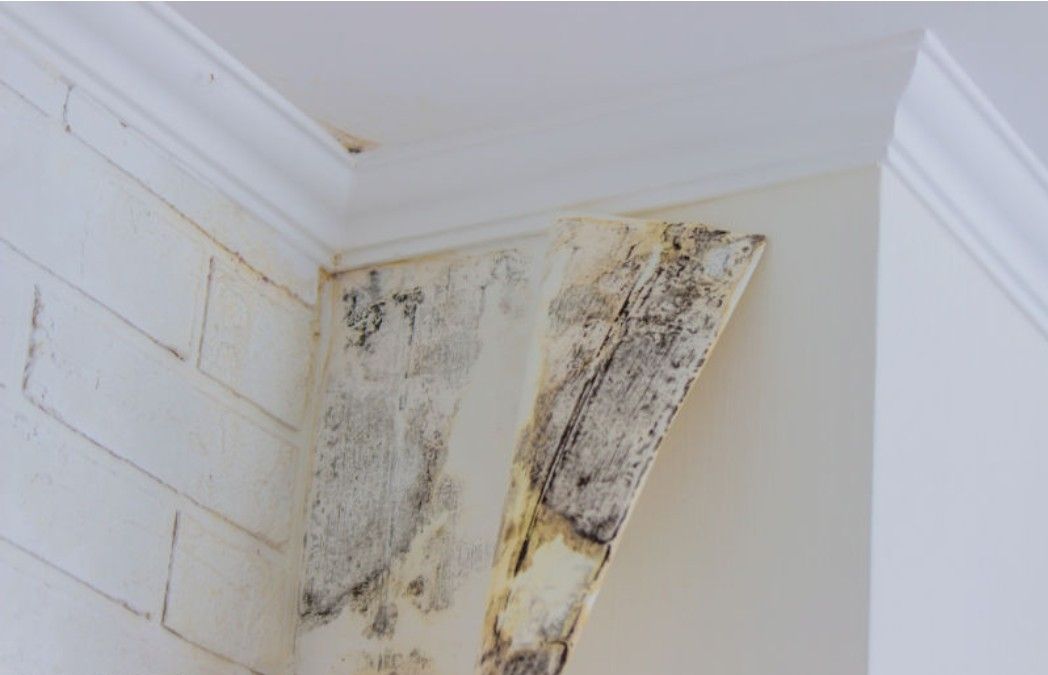
When most people discover mold in their home, they focus on the visible growth in a specific room or area. While removing the affected materials is important, many homeowners do not realize that mold spores are often spread throughout the home by the HVAC system.
As air circulates through the ductwork, airborne mold spores can travel from one contaminated area into other parts of the house. This is one reason why mold testing may show high spore counts in one room and lower counts in other areas where no visible mold growth is present. In many cases, the HVAC system has carried those spores throughout the property, affecting overall indoor air quality.
During professional mold remediation, it is highly recommended to have the HVAC system, air ducts, registers, and returns properly cleaned. In fact, most mold remediation protocols written by a hygienist include HVAC and duct cleaning as part of the remediation process.
Proper HVAC cleaning should always be performed by a certified company using negative air containment procedures and HEPA filtration. This is extremely important because it helps prevent contaminated debris, dust, and airborne mold spores from spreading throughout the home during the cleaning process.
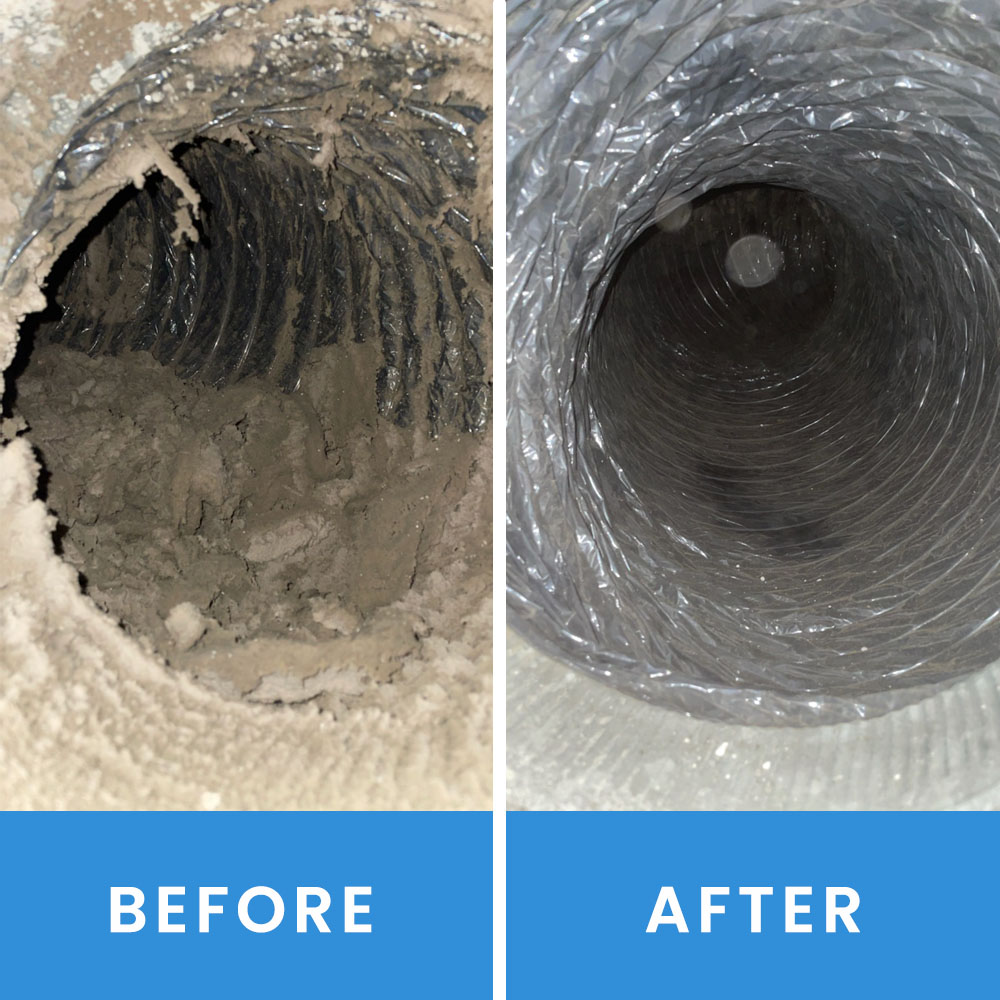
Another commonly missed step after mold removal and HVAC cleaning is replacing the HVAC filters with brand-new filters. Reusing old filters after the system has been professionally cleaned can almost render the entire cleaning process useless, as the old filters may still contain dust, debris, allergens, and mold spores that can continue circulating throughout the home once the system is turned back on.
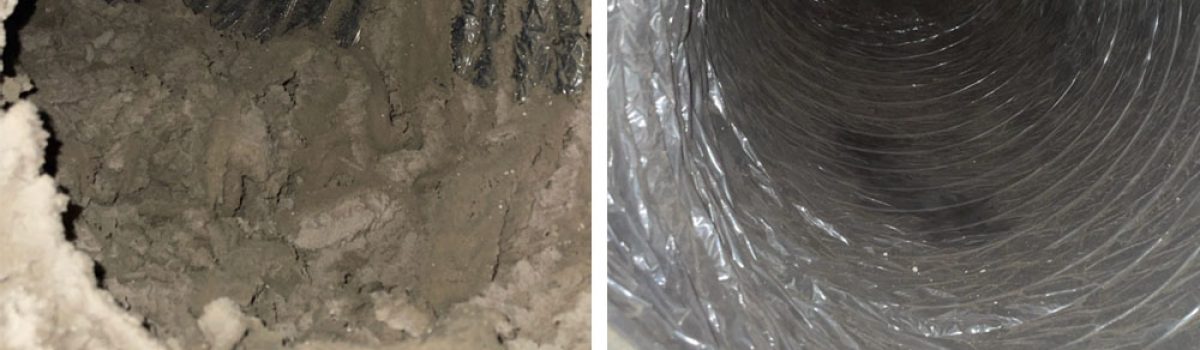
Even if a home does not have mold contamination, it is still considered best practice to have your HVAC unit and duct system professionally cleaned every 3–5 years. Over time, dust, debris, allergens, pet dander, and other airborne contaminants can build up inside the system and impact airflow and indoor air quality.
When dealing with mold, water damage, musty odors, or suspected airborne contamination, properly addressing the HVAC system is one of the most important parts of a complete mold remediation process.