One of the questions we’re asked most is:
“What’s the most common type of restoration job you respond to?”
Most people assume it’s storm damage.
After several days of heavy rain, we’ll often hear:
“I bet you guys are really busy!”
Sometimes we are—but many times we’re not.
Before we dive in, it’s important to point out that this article is specific to Oklahoma. Restoration work varies from state to state depending on climate, weather, and construction methods. What we see in Oklahoma may be very different from what a restoration company sees in Florida or Arizona.
Water Damage Is #1
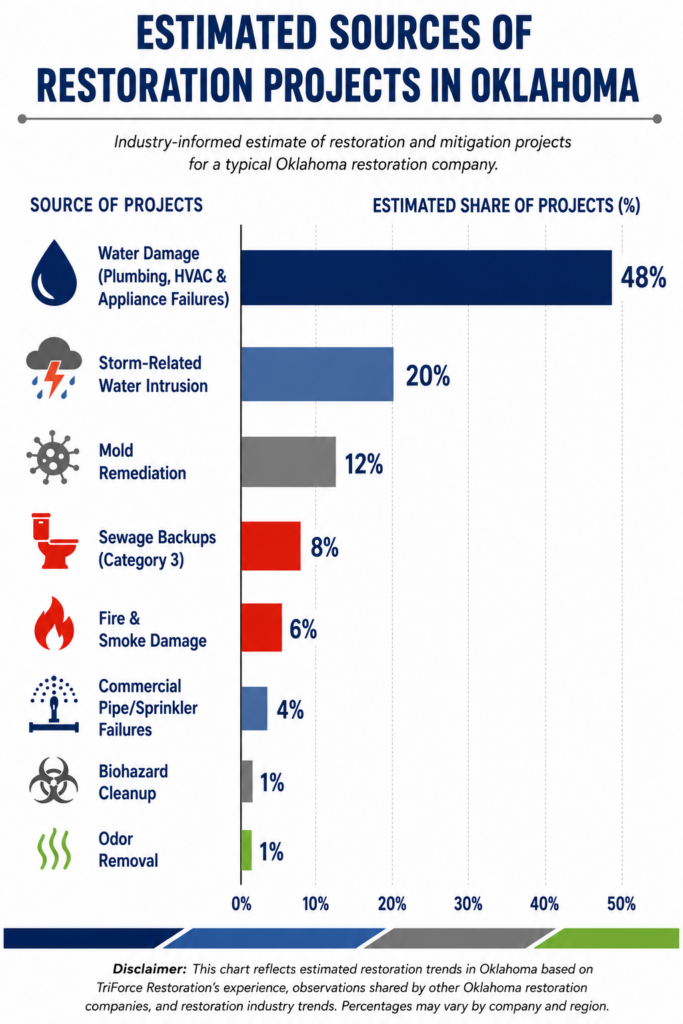
There isn’t a statewide database that tracks restoration projects by cause. The chart above is based on our experience at TriForce Restoration, observations shared by other Oklahoma restoration companies, and common restoration trends throughout the state.
One thing is clear:
Nearly half of the restoration work we see in Oklahoma starts with water damage—not storms.
The biggest culprits are everyday plumbing, appliances, and HVAC systems, including:
- Burst or leaking pipes
- Water heaters
- Washing machine hoses
- Refrigerator ice maker lines
- Dishwashers
- HVAC condensate drains and pumps
- Overflowing sinks or toilets
These problems often happen without warning and can release a surprising amount of water in just a few minutes.
Storms certainly create restoration work, but many of the water losses we respond to happen on perfectly sunny days.
Mold Usually Starts With Water
The second most common service we provide is mold remediation.
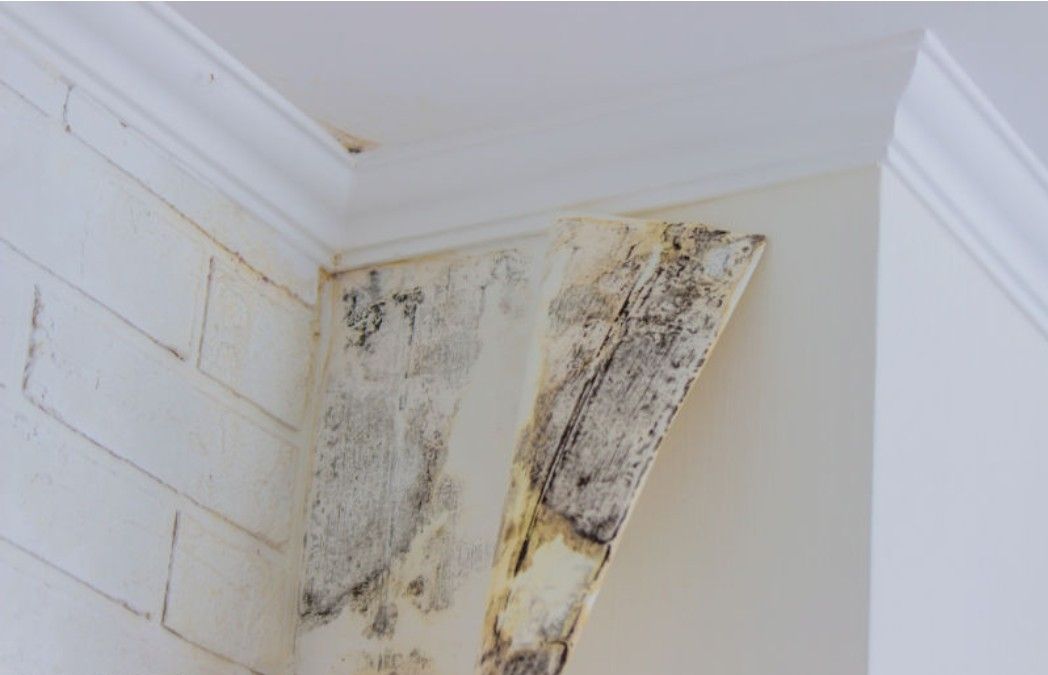
The important thing to remember is that mold is usually the result of a water problem—not the original problem itself.
A hidden plumbing leak inside a wall is a perfect example. The leak may go unnoticed for weeks or months, allowing damp building materials to create the ideal environment for mold growth.
We’ve also seen mold caused by roof leaks, HVAC issues, appliance leaks, window leaks, and previous water damage that wasn’t completely dried.
By the time someone notices a musty odor or visible mold, the moisture has often been present for quite some time.
Catching It Early Matters
No one can prevent every water loss, but a quick inspection every few months can help catch problems before they become expensive repairs.
Take a look:
- Under sinks
- Around water heaters
- Behind washing machines
- Around refrigerators with water lines
- Around HVAC equipment
- Around toilets and showers
- In attics after storms
- In basements and crawlspaces
Finding a small leak early can save thousands of dollars later.
What About Insurance?
Another common question is whether insurance covers mold.
The answer is it depends.
Coverage varies based on your insurance policy, what caused the water damage, and how long the problem existed. Some policies provide coverage when mold results from a sudden, accidental water loss. Others may limit or exclude coverage if the leak existed for an extended period before it was discovered.
Every policy is different, so it’s always a good idea to review your coverage with your insurance agent.
The Bottom Line
When people think of restoration companies, they often picture tornadoes and heavy rain.
The reality in Oklahoma is different.
The most common restoration jobs start with a leaking pipe, failed appliance, or HVAC issue inside the home or business.
The good news is that many of these problems can be minimized—or even prevented—if they’re caught early.
If you suspect water damage, don’t wait. A quick response today can prevent a much bigger restoration project tomorrow.